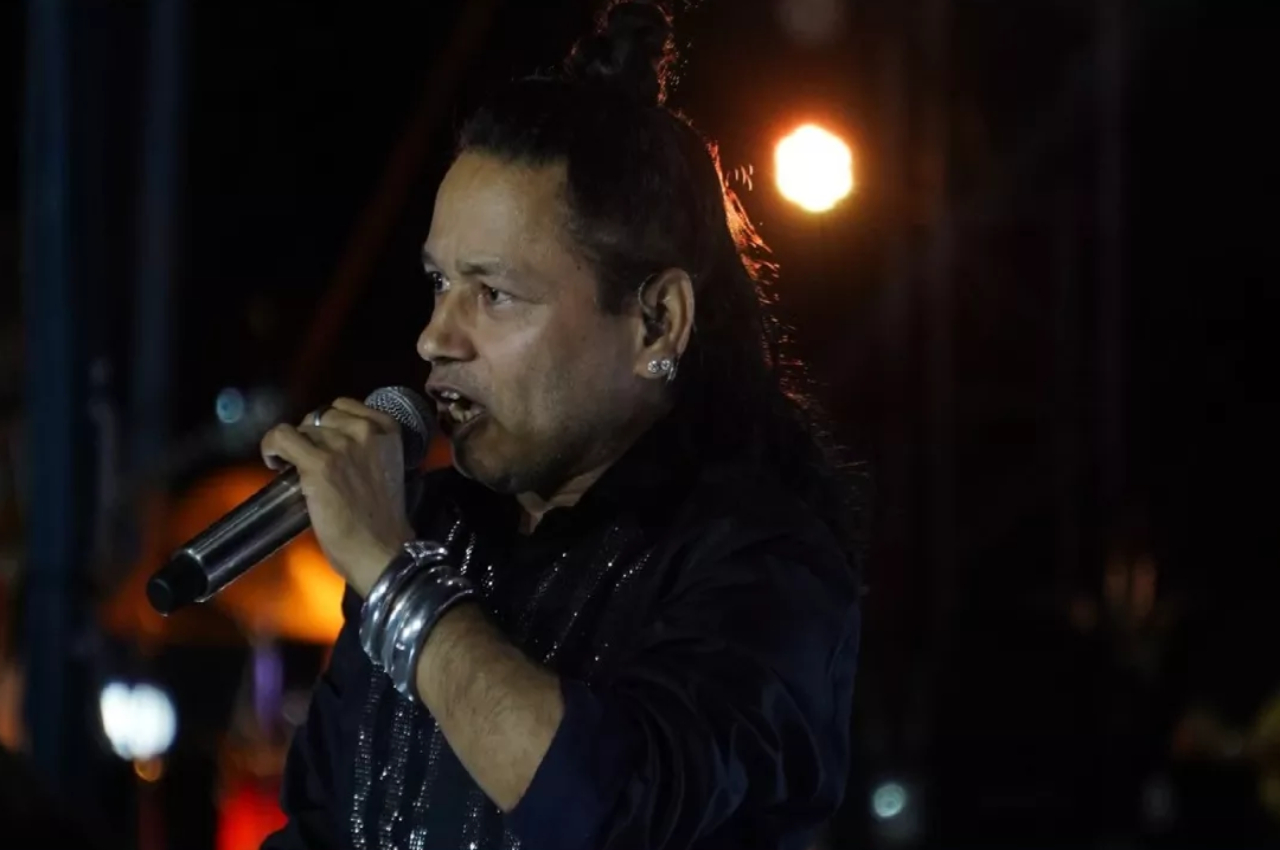
It started with a simple request: “Yeh request hi mat kijiye.” Then, silence. The audience stared. Kailash Kher, standing under the spotlight at a recent Delhi event, folded his arms, shook his head, and declined to sing—just two lines. No dramatic exit. No shouting. Just a firm, quiet refusal that rippled through the crowd like a sudden gust of wind.
What followed wasn’t chaos. It was contemplation. Fans recorded the moment. Social media exploded. But beneath the viral clips and memes lies a deeper truth about artistry, respect, and the growing friction between performers and audiences who treat live music like on-demand playback.
This wasn’t a tantrum. It wasn’t arrogance. It was a statement—one that needs unpacking.
The Moment That Sparked a Conversation
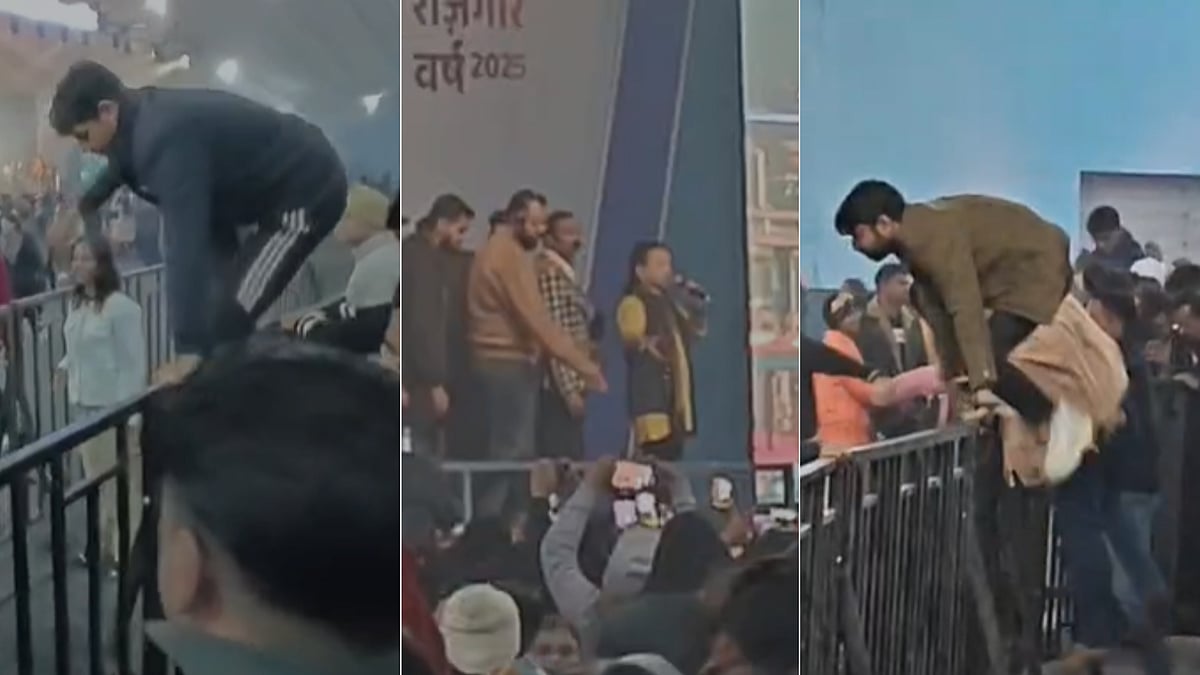
At a cultural gathering in Delhi, Kailash Kher was present as a guest, not the headline performer. The event, focused on social awareness, had invited him to speak about music’s role in uniting communities. Midway through, someone from the audience shouted: “Do lines gaao, sir!”
A chorus of voices followed. “Bhankro Naal, do two lines!” “Just one song, Kher sahab!”
Kailash paused. Looked around. Then said clearly: “Yeh request hi mat kijiye. Aapko pata hai main kya karta hoon? Main gawah hoon apni aawaz ka. Jab gaana gaata hoon, toh poori shraddha ke saath gaata hoon. Do line nahi gaa sakta. Yeh adhura kyun karna?”
Translation: “Don’t even make this request. Do you know what I do? I am a witness to my voice. When I sing, I do it with full devotion. I can’t sing two lines. Why would I break it like that?”
The room quieted. Some clapped. Others murmured. Cameras rolled.
Why Singers Hate the “Two Lines” Culture
What seems like a harmless fan gesture—asking for a snippet—feels like a violation to many artists. And Kailash isn’t alone.
1. Emotional Integrity of the Song Songs like “Allah Ke Bande” or “Kangana” aren’t performances. They’re spiritual journeys. Singing two lines reduces devotion to a party trick.
“You wouldn’t ask a priest to recite half a prayer,” said veteran ghazal singer Rekha Bharadwaj. “Why ask a Sufi singer to break his rhythm?”
2. Physical and Vocal Readiness Singing isn’t flipping a switch. Vocal warm-ups, hydration, mental focus—professional singers prepare like athletes. A sudden request ignores that.
3. Loss of Control Once you give in to “two lines,” the floodgates open. The next person wants a chorus. Then someone else demands a full song. Boundaries blur.
4. The Devaluation of Art When artists are treated like jukeboxes, their craft loses weight. “Just two lines” becomes code for “entertain me now, for free.”
When Culture Clashes with Courtesy
India has a long tradition of spontaneous musical moments—mehfils, sabhas, family gatherings where uncles and aunties are expected to perform. But public events are different.
At private gatherings, the expectation to sing is social bonding. At formal events, especially when someone is invited as a speaker or guest of honor, the context shifts.
Kailash Kher wasn’t there as a performer. He was there to contribute a perspective. Yet, the audience defaulted to entertainment mode.
This reflects a larger cultural blind spot: We celebrate artists on stage, but rarely respect their role beyond performance.
The Bigger Pattern: Artists Pushing Back
Kailash’s refusal isn’t isolated. In recent years, several Indian artists have drawn lines:
- Sonu Nigam once walked off after being asked to sing at a political rally without a sound check.
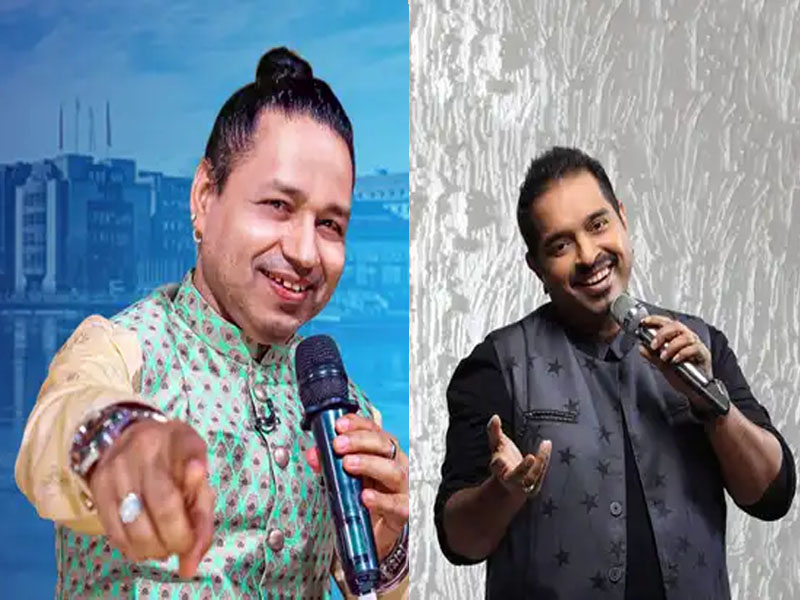
- Shankar Mahadevan refused an impromptu performance at a wedding, saying, “I need to practice like anyone else.”
- Rashid Khan, the late maestro, banned recordings at his concerts to protect the sanctity of live raga.
Each of these moments sparked debate. But they also signaled a shift: artists are no longer willing to be treated as background noise.
Audience Psychology: Why Do We Keep Asking?
So why do people insist on “two lines,” even when it’s inappropriate?
1. Nostalgia Trigger Hearing a familiar phrase from “Teri Deewani” instantly transports fans. The emotional high overrides social cues.
2. Social Validation Getting a star to sing—even briefly—feels like a win. People record it to share: “Look, I made Kailash Kher sing!”
3. Misunderstanding the Role Many assume: “If he’s a singer, he should sing.” They don’t distinguish between performer and public figure.
4. Crowd Mentality One person shouts. Others join. The request gains momentum. Refusal becomes “drama.”
But just because something is common doesn’t mean it’s right.
What Should You Do at Live Events?
Here’s a practical guide for audiences:
#### ✅ Do: - Applaud when an artist speaks or shares wisdom—even if they don’t sing. - Respect announced formats. If it’s a talk, treat it like a talk. - Ask politely, but accept “no” without protest. - Support artists by attending concerts, not demanding free performances.
#### ❌ Don’t: - Shout requests during speeches or award ceremonies. - Record and shame artists who decline. - Assume accessibility means obligation. - Treat live events like personal karaoke sessions.
Artists give their all on stage. Off stage, they owe us nothing.
Kailash Kher’s Statement Was Bigger Than Two Lines
This wasn’t about ego. It was about respect.
Kailash has spent decades bringing Sufi and folk music to mainstream India. His voice carries pain, prayer, and revolution. To reduce that to a two-line encore is to misunderstand his life’s work.
By saying no, he reminded us:
- Artists are not machines.
- Music isn’t just entertainment—it’s intention.
- Saying “no” can be an act of preservation.
And in a world that constantly demands more—more content, more access, more immediacy—his silence spoke volumes.
How the Industry Should Respond
This moment should spark change beyond social media trends.
Event Organizers must clarify roles. If an artist is invited to speak, the audience should be briefed. No assumptions.
Media Coverage should focus on the message, not just the “drama.” Instead of “Kailash refuses,” frame it as “Kailash defends artistic dignity.”
Fans need education. Schools, music platforms, and influencers can promote audience etiquette.
And artists? They should keep setting boundaries. Not every “no” needs justification.
The Takeaway: Respect the Full Song
Kailash Kher didn’t just refuse to sing two lines. He protected the wholeness of art.
Next time you’re at an event and the urge hits—“Bhaiya, do lines!”—pause. Ask yourself: Am I honoring the artist? Or just seeking a dopamine hit?
Because music isn’t a clip. It’s a commitment.
And sometimes, the most powerful thing an artist can do is stay silent.
FAQ
Why did Kailash Kher refuse to sing two lines? He believes singing partial songs disrespects the emotional and spiritual integrity of the music, especially when not performing.
Was Kailash Kher scheduled to perform at the Delhi event? No, he was invited as a guest speaker, not a musical performer.
Did the audience react negatively? Some were surprised, but many praised his stand on artistic respect after understanding the context.
Is it common for Indian artists to refuse impromptu singing? Yes, many classical and playback singers avoid unscheduled performances due to vocal and artistic reasons.
Can audiences ever ask artists to sing? It’s okay to ask politely, but fans must accept a refusal gracefully and respect the artist’s boundaries.
What song were people requesting? “Bhankro Naal” and “Teri Deewani” were among the most shouted requests.
Has Kailash Kher commented further on the incident? Not officially, but his on-stage words were clear: he sings with full devotion or not at all.
FAQ
What should you look for in Kailash Kher Declines Singing Request at Delhi Event – Here’s Why? Focus on relevance, practical value, and how well the solution matches real user intent.
Is Kailash Kher Declines Singing Request at Delhi Event – Here’s Why suitable for beginners? That depends on the workflow, but a clear step-by-step approach usually makes it easier to start.
How do you compare options around Kailash Kher Declines Singing Request at Delhi Event – Here’s Why? Compare features, trust signals, limitations, pricing, and ease of implementation.
What mistakes should you avoid? Avoid generic choices, weak validation, and decisions based only on marketing claims.
What is the next best step? Shortlist the most relevant options, validate them quickly, and refine from real-world results.