A worker steps onto a construction site without checking the condition of their harness. A maintenance technician ignores a frayed power cord because “it’s worked fine for weeks.” These aren’t isolated oversights—they’re symptoms of a larger issue: the breakdown of daily safety awareness.
That’s where the toolbox talk comes in.
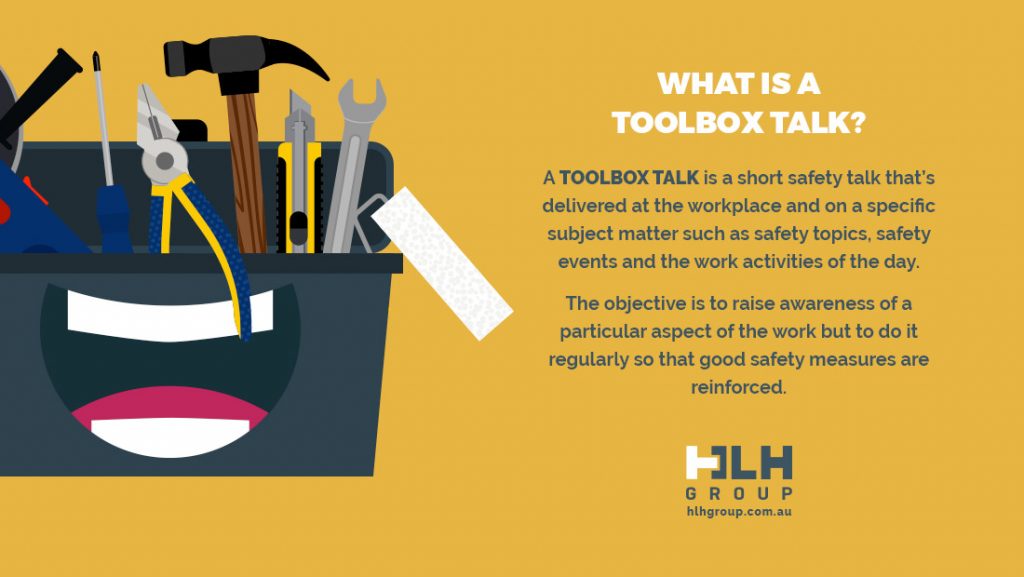
It’s not just another meeting. It’s a focused, brief safety discussion designed to reconnect workers with real-time risks. But beyond the definition, the real question is: what is the purpose of a toolbox talk?
The answer isn’t in policy manuals or compliance checklists alone. It’s in the moments before a task begins—when awareness is sharpened, hazards are named, and accountability is reinforced.
Reinforcing Daily Safety Awareness
The primary purpose of a toolbox talk is to keep safety top of mind. In high-risk environments—construction, manufacturing, utilities, oil and gas—routine tasks breed complacency. The same ladder, the same drill, the same overhead lift, performed daily, can dull vigilance.
A toolbox talk interrupts that autopilot.
It brings teams together for 5 to 15 minutes to discuss a specific hazard relevant to that day’s work. For example: - “Today we’re working at height on the west wall—let’s review fall protection and anchor points.” - “We’re using solvents in a confined space—monitor ventilation and PPE fit.”
These aren’t theoretical discussions. They’re targeted interventions that force workers to pause, assess, and verbalize risks.
Real-world impact: A roofing crew conducts a toolbox talk before working on a steep pitch. One worker notices the safety netting wasn’t secured properly during setup. The job stops, corrections are made, and a potential fall is avoided.
Without that conversation, the hazard might have gone unnoticed until it was too late.
Targeting Immediate and Site-Specific Hazards
Checklists and annual training cover broad safety principles. But they can’t address what’s happening today, here, with this crew.
That’s the unique value of a toolbox talk—it’s hyper-local.
Its purpose is to spotlight dynamic risks: weather changes, new equipment, altered workflows, or personnel shifts.
For example: - A sudden rainstorm makes scaffolding slippery—talk focuses on traction, fall zones, and stop-work authority. - A new subcontractor joins the team—talk includes site-specific rules and emergency procedures. - A crane is operating near a pedestrian walkway—talk reviews exclusion zones and signaling.
This real-time relevance separates effective safety cultures from those that treat compliance as a box-ticking exercise.
Common mistake: Using a generic template every week—“PPE is important”—without tying it to current work. That erodes credibility and engagement fast.
Encouraging Worker Participation and Ownership
A toolbox talk isn’t a lecture. Its purpose includes building a culture where every worker feels responsible for safety—not just the supervisor.
When done right, it’s interactive. Workers are asked: - “Have you noticed any issues with the guardrails?” - “What would you do if the fire alarm went off during welding?” - “Is anyone unsure about the lockout/tagout procedure for this machine?”
This two-way exchange uncovers blind spots. A junior technician might flag a hydraulic leak others missed. A veteran might share a near-miss from a similar job.
Practical tip: Rotate who leads the talk. Giving different team members ownership increases engagement and surfaces diverse perspectives.
The goal isn’t to assign blame—it’s to build collective vigilance.
Strengthening Team Communication and Coordination Workplace accidents often stem from miscommunication, not ignorance.

One crew assumes power is off. Another hasn’t cleared the area. A signal is misunderstood.
A toolbox talk creates a shared mental model. It ensures everyone understands: - What tasks are being performed - Where hazards are located - Who is responsible for what - What to do in an emergency
For instance, during a coordinated lift involving riggers, crane operators, and ground crew, a toolbox talk aligns everyone on hand signals, exclusion zones, and abort protocols.
This coordination prevents “assumption gaps” that lead to incidents.
Use case: On an offshore platform, a pre-job talk covers hydrogen sulfide (H2S) monitoring. All personnel confirm detector functionality and evacuation routes. When an alarm sounds later, response is immediate and precise—no confusion, no hesitation.
Supporting Compliance and Legal Accountability
Beyond culture and communication, toolbox talks serve a practical, legal function.
Regulatory bodies like OSHA (U.S.) or HSE (UK) require employers to assess and communicate risks. Regular toolbox talks demonstrate due diligence.
They create a documented trail showing that: - Hazards were identified - Controls were discussed - Workers were informed
In the event of an incident or audit, these records prove proactive safety management.
But documentation is only valuable if it reflects real conversations.
Critical limitation: Signing a log without an actual discussion is worse than useless—it’s deceptive. Regulators increasingly look for evidence of engagement: handwritten notes, photos, or audio logs from field supervisors.
The purpose isn’t just compliance—it’s credible, defensible safety leadership.
Preventing Accidents Through Proactive Risk Reduction
At its core, the purpose of a toolbox talk is prevention.
It’s a frontline defense against incidents that could have been avoided.
Studies consistently show that workplaces with regular safety talks experience fewer accidents. The Construction Industry Institute found that sites with daily pre-task meetings reduced recordable incidents by up to 40%.
Why? Because naming a hazard changes behavior.
When a crew discusses pinch points on a conveyor belt, workers are more likely to notice loose clothing or gloves near moving parts. When they review ladder stability, someone will check the footing before climbing.
Example: A utility crew plans to dig near underground lines. The toolbox talk focuses on “call before you dig” procedures and locating techniques. One worker realizes they haven’t verified the latest map update. They pause, recheck, and avoid striking a gas line.
That’s prevention in action.
Enhancing Training Retention and Practical Application
Formal training teaches the “what” and “how.” Toolbox talks reinforce the “why” and “when.”
A worker may know lockout/tagout procedures from a classroom session. But do they apply it correctly when under pressure to finish a repair?
A 10-minute talk before the task—walking through the steps, discussing failure points, reviewing the energy sources—bridges the gap between knowledge and action.
This is especially critical for: - New hires learning on the job - Infrequent or high-risk tasks - Changes in equipment or process
Workflow tip: Use toolbox talks to debrief after incidents or near-misses. Turn real events into teachable moments without blame.
Building a Sustainable Safety Culture
The most powerful purpose of a toolbox talk is cultural.
It signals that safety isn’t a priority—it’s the foundation.
When leaders participate, when talks happen rain or shine, when every voice is heard, it builds trust. Workers see that their well-being matters.
Over time, this shapes behavior. Safety isn’t enforced—it’s expected.

Signs of a strong safety culture: - Workers initiate talks without supervision - Questions are welcomed, not discouraged - Near-misses are reported and discussed - Safety conversations continue off the clock
This doesn’t happen overnight. It grows from consistent, meaningful toolbox talks.
Common Pitfalls That Undermine Effectiveness
Even with good intent, many organizations fail to realize the full purpose of a toolbox talk.
Watch for these red flags: - Repetition without relevance: Using the same topic weekly with no connection to current work - One-way delivery: Supervisor talks, crew listens—no questions, no discussion - Rushed execution: Holding the talk while walking to the site, with distractions present - Poor documentation: Blank sign-in sheets or generic notes like “talked about safety” - Lack of follow-up: Identifying an issue but taking no corrective action
Fixing these isn’t complicated. It starts with treating the talk as a critical work step—like inspecting equipment or reviewing blueprints.
Making Toolbox Talks Work: Actionable Best Practices
To fulfill the true purpose of a toolbox talk, follow these proven strategies:
- Keep it short and focused – 5 to 15 minutes on one topic.
- Make it relevant – Tie the topic directly to that day’s tasks.
- Engage the team – Ask questions, encourage stories, invite input.
- Document honestly – Note the topic, attendees, and key points discussed.
- Act on findings – If a hazard is raised, address it—don’t file it.
- Train facilitators – Not everyone knows how to lead an effective talk.
- Review and improve – Periodically assess what’s working and what’s not.
One superintendent at a Midwest plant started recording monthly summaries of toolbox talk themes. Over six months, they identified recurring issues with forklift blind spots. This led to installing backup cameras—proving that small conversations can drive big changes.
The purpose of a toolbox talk is not to check a compliance box. It’s to create a moment of clarity in the rush of daily work—a chance to reset focus, share knowledge, and protect lives.
When done with intention, it becomes more than a meeting. It becomes a habit of care.
Start tomorrow: gather your team, pick a real hazard, ask one open-ended question, and listen. That’s where safety begins.
Frequently Asked Questions
What topics are suitable for a toolbox talk? Common topics include PPE use, fall protection, electrical safety, hazardous materials, machine guarding, ergonomics, and emergency response—especially as they relate to that day’s work.
Who should lead a toolbox talk? Typically a supervisor, foreman, or safety officer, but rotating leadership among team members can increase engagement and ownership.
How often should toolbox talks be held? Ideally before each shift or before starting a new task, especially when hazards change. Weekly minimums are common, but daily is better in high-risk environments.
Do toolbox talks need to be documented? Yes. Records should include date, topic, attendees, and key discussion points. This supports compliance and continuous improvement.
Can toolbox talks reduce insurance premiums? Indirectly. A strong safety record driven by proactive practices like toolbox talks can lead to lower incident rates, which insurers reward with reduced premiums.
Are toolbox talks only for construction? No. They’re used in manufacturing, utilities, mining, transportation, and any industry where safety-critical tasks are performed.
What’s the difference between a toolbox talk and a safety meeting? Toolbox talks are short, task-specific, and held at the worksite. Safety meetings are longer, broader in scope, and may cover policy, training, or incident reviews.
FAQ
What should you look for in What Is the Purpose of a Toolbox Talk in Workplace Safety? Focus on relevance, practical value, and how well the solution matches real user intent.
Is What Is the Purpose of a Toolbox Talk in Workplace Safety suitable for beginners? That depends on the workflow, but a clear step-by-step approach usually makes it easier to start.
How do you compare options around What Is the Purpose of a Toolbox Talk in Workplace Safety? Compare features, trust signals, limitations, pricing, and ease of implementation.
What mistakes should you avoid? Avoid generic choices, weak validation, and decisions based only on marketing claims.
What is the next best step? Shortlist the most relevant options, validate them quickly, and refine from real-world results.